An Eco Park established at the horticulture farm in Kanyakumari
district at an outlay of Rs 3.91 crore was inaugurated by chief minister
Edappadi K Palanisami through video conference on Apr 6, 2018. The park is located three kilometres ahead of Kanyakumari on National Highway No 47.
Horticulture department officials said that the biodiversity and Eco Park was established on 15 acres, in accordance with the agreement signed on December 30, 2013. Foundation stone for the park was laid by former chief minister J Jayalalithaa and works commenced on May 28, 2014.
Officials said that the park has been developed with a view to attract more tourists, maintain a balance eco system and help researchers and students academically. Some salient features of the park are a rock water falls, a typical bridge, an amphitheatre, palm court, flower garden, trellis, a bamboo garden, play area for children, lotus pond, gazebo and a hot and cold green house.
The park also has a restaurant with kitchen, open restaurant parking facilities and shops for refreshment. To enrich the beautification of the garden colourful LED lights, decorative street lights and focus lamps have been installed. Officials hoped that the park with heritage, which draws back to the Travancore Kings using it as their grove, would draw more visitors and be among the important sigh seeing spots in Kanyakumari.
Google Map Location : https://goo.gl/maps/8fLtURFrfvS2
Location: Pazhathottam, Near Kanyakumari beach.


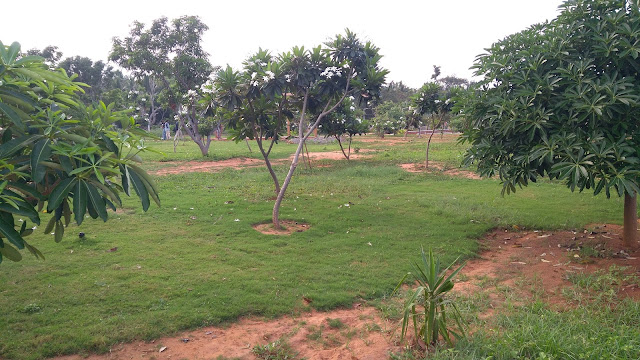


Horticulture department officials said that the biodiversity and Eco Park was established on 15 acres, in accordance with the agreement signed on December 30, 2013. Foundation stone for the park was laid by former chief minister J Jayalalithaa and works commenced on May 28, 2014.
Officials said that the park has been developed with a view to attract more tourists, maintain a balance eco system and help researchers and students academically. Some salient features of the park are a rock water falls, a typical bridge, an amphitheatre, palm court, flower garden, trellis, a bamboo garden, play area for children, lotus pond, gazebo and a hot and cold green house.
The park also has a restaurant with kitchen, open restaurant parking facilities and shops for refreshment. To enrich the beautification of the garden colourful LED lights, decorative street lights and focus lamps have been installed. Officials hoped that the park with heritage, which draws back to the Travancore Kings using it as their grove, would draw more visitors and be among the important sigh seeing spots in Kanyakumari.
Google Map Location : https://goo.gl/maps/8fLtURFrfvS2
Location: Pazhathottam, Near Kanyakumari beach.
- An entry fee of Rs.20 is charged for the adults and for the kids it’s Rs.10


Comments